Why an Area Converter Is Essential for DIY Interior Painting
One of the most common questions DIY painters ask is, "How much paint do I need?" The answer depends on calculating the total area you need to cover—and that's where an area converter becomes your best friend.
Whether you're painting one room or your entire house, understanding area conversions helps you buy the right amount of paint, save money, and avoid multiple trips to the store.
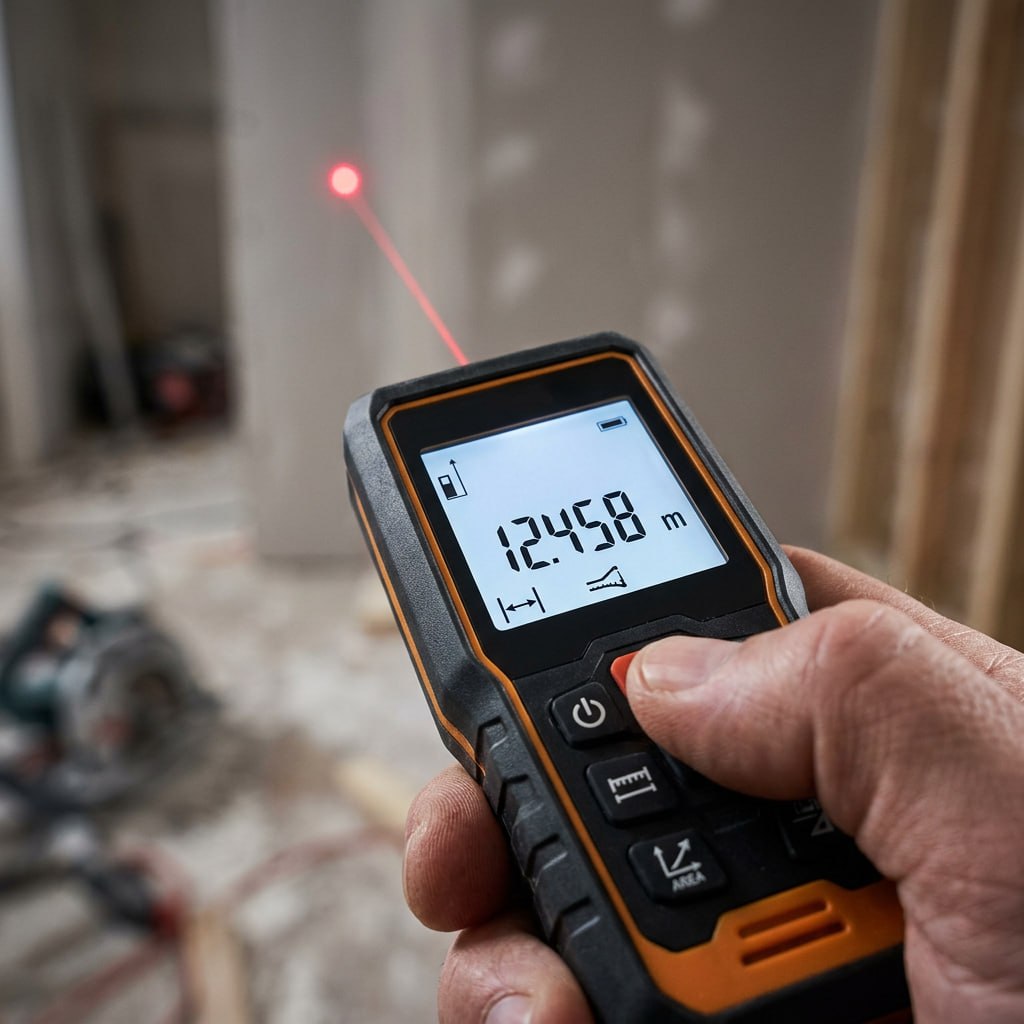
Modern laser measurers can calculate area directly - but you'll still need to convert for paint calculations
The finished result - a fresh coat of paint!
Why Area Conversion Matters for Painting
Paint coverage is typically measured in two different systems:
- US system: Square feet per gallon
- Metric system: Square meters per liter
When shopping for paint, you might encounter products labeled in either system. An area converter ensures you're comparing apples to apples.
How to Calculate Your Paint Needs
Step 1: Measure Your Space
Measure the height and width of each wall you plan to paint. Don't forget to subtract windows and doors!
Step 2: Calculate Total Area
Area = Height × Width
For example, a wall that's 8 feet tall and 12 feet wide: 8 × 12 = 96 square feet
Step 3: Convert If Needed
Different paints list coverage differently. Common conversions:
| From | To | Multiply by |
|---|---|---|
| Square feet | Square meters | 0.0929 |
| Square meters | Square feet | 10.764 |
| Square feet/gallon | Square meters/liter | 0.0254 |
Real-World Example
Let's say you're painting a 12x14 bedroom with 8-foot ceilings:
- Two long walls: 2 × (14 × 8) = 224 sq ft
- Two short walls: 2 × (12 × 8) = 192 sq ft
- Total wall area: 416 sq ft
Subtract for one standard door (20 sq ft) and two windows (30 sq ft total):
- Paintable area: 416 - 50 = 366 sq ft
If paint covers 350 sq ft per gallon, you'd need about 1.05 gallons. Round up to 1.5 gallons to account for two coats!
Common Area Conversions for Painting
Here are the most useful conversions for your painting projects:
- 100 sq ft = 9.29 sq m
- 200 sq ft = 18.58 sq m
- 400 sq ft = 37.16 sq m
- 500 sq ft = 46.45 sq m
- 1,000 sq ft = 92.90 sq m
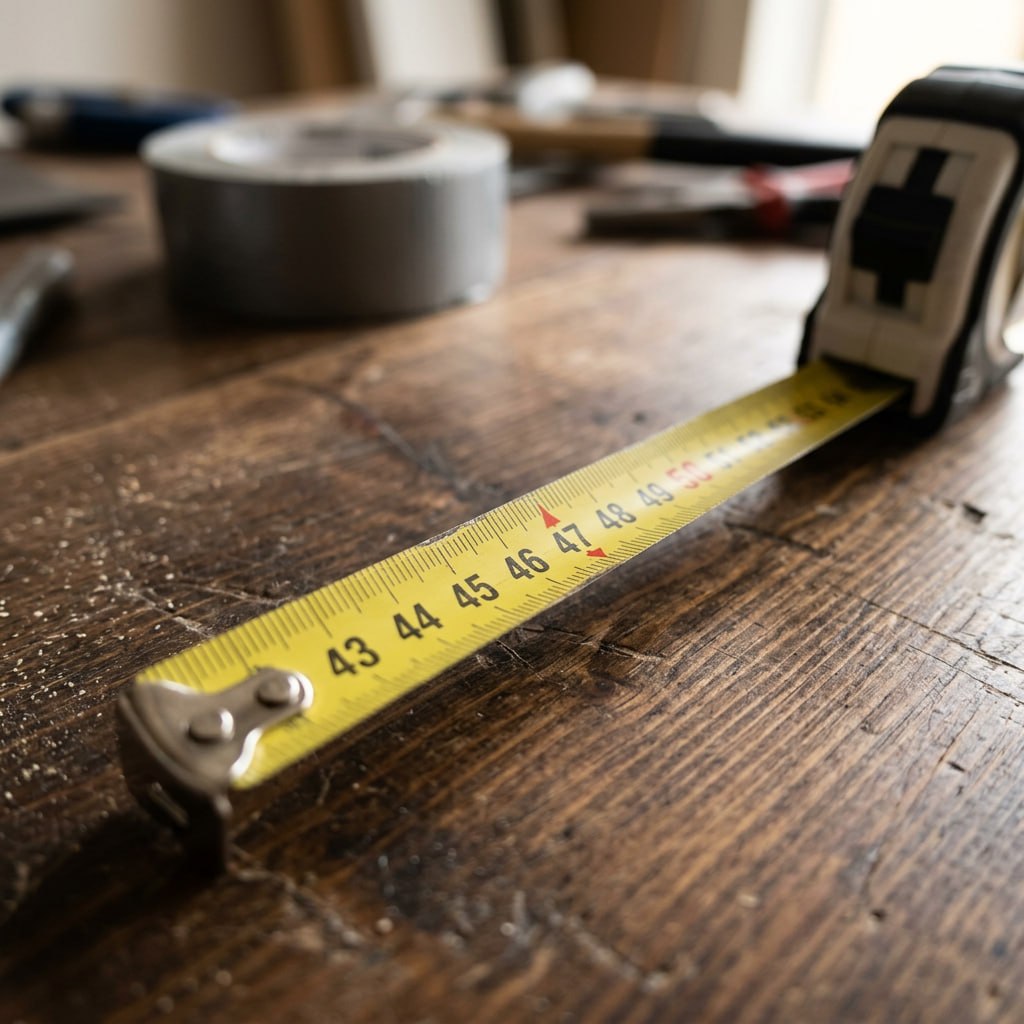
A tape measure is essential for calculating wall area
Tips for Accurate Measurements
- Measure twice, buy once - Double-check all measurements before purchasing paint
- Account for doors and windows - Subtract these areas from your total
- Add extra for touch-ups - Buy 10-15% more than calculated
- Consider second coats - Double your calculation for two coats
- Different surfaces absorb differently - New drywall absorbs more paint than previously painted walls
Final Thoughts
An area converter is an essential tool for any DIY painting project. By accurately calculating the area you need to cover—and converting between measurement systems when needed—you can:
- Buy the exact amount of paint you need
- Compare prices across different brands
- Budget more accurately for your project
- Avoid multiple store trips
- Get professional-quality results
Before your next painting project, take a few minutes to calculate your area. Your wallet and your finished walls will thank you!
Try our free Area Converter for instant, accurate conversions!