How to Use an Ovulation Calculator to Increase Your Chances of Getting Pregnant
For many couples trying to conceive, understanding the menstrual cycle and identifying the fertile window can feel like solving a complicated puzzle. The good news is that an ovulation calculator can make this process much simpler—and significantly improve your chances of getting pregnant.
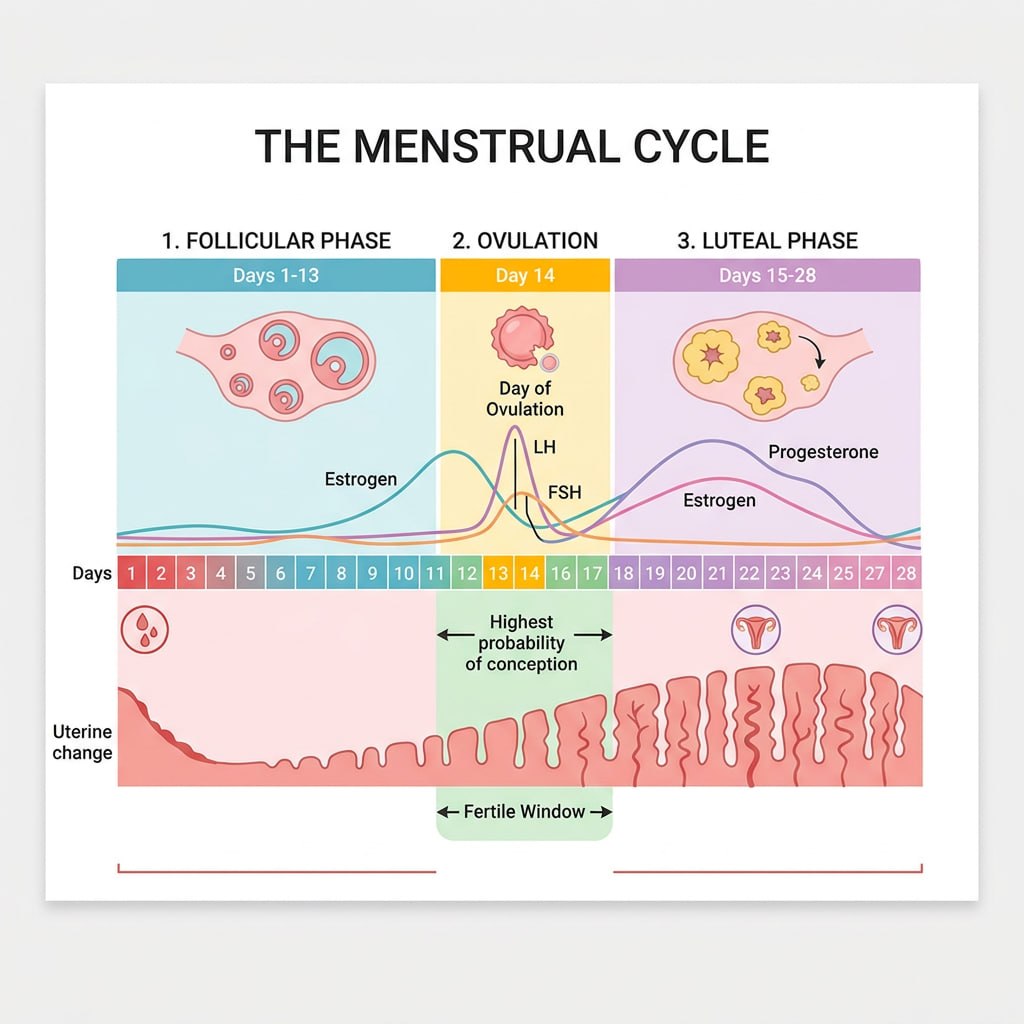
Understanding your menstrual cycle is key to conception
What Is an Ovulation Calculator?
An ovulation calculator is a tool that estimates your ovulation date and identifies your fertile window based on the first day of your last menstrual period and your average cycle length.
How Does Ovulation Work?
To understand how an ovulation calculator helps, it helps to know a little about the menstrual cycle:
- Follicular Phase (Days 1-14): The uterine lining prepares for a potential pregnancy
- Ovulation (Day 14-16): The egg is released from the ovary
- Luteal Phase (Days 15-28): The body prepares to support a potential pregnancy
How to Use an Ovulation Calculator
Step 1: Know Your Cycle
You'll need two pieces of information:
- First day of your last period
- Average cycle length (typically 28 days, but can range from 21-35 days)
Step 2: Enter Your Information
Input these details into the ovulation calculator, and it'll estimate:
- Your ovulation date
- Your fertile window (the best time to try)
- Your next period start date
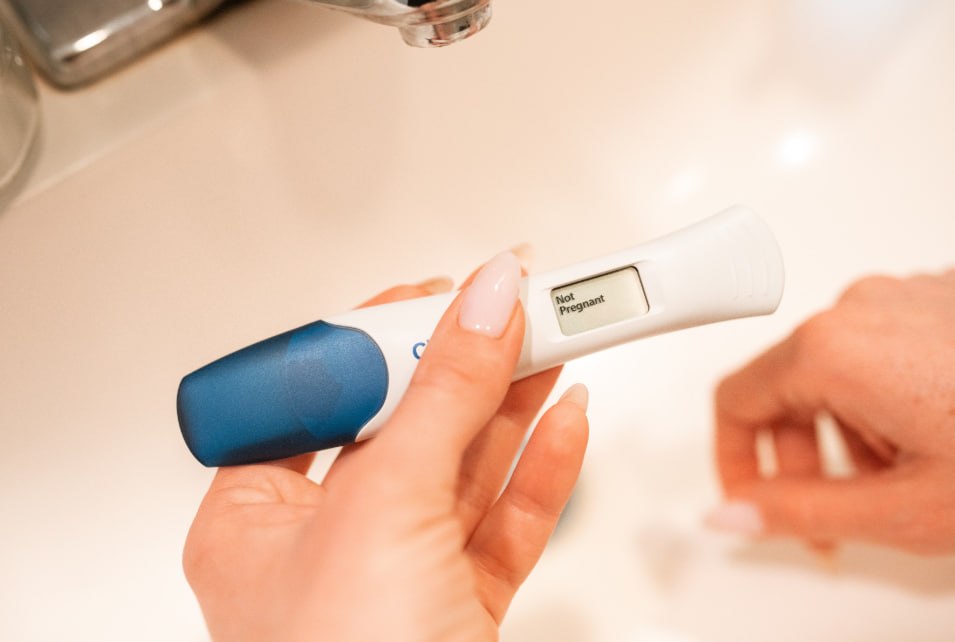
An ovulation calculator shows your fertile window - typically days 21-26 of a 28-day cycle
Maximizing Your Chances
Timing Matters
For the best chances of conception:
- Try to conceive on the days leading up to ovulation
- Having sex every 1-2 days during your fertile window maximizes chances
- Don't stress about perfect timing—sperm can live for several days
Track Your Cycles
Using an ovulation calculator consistently over several months helps you:
- Understand your unique cycle patterns
- Predict ovulation more accurately over time
- Identify any irregularities worth discussing with your doctor
Understanding Irregular Cycles
If your periods are irregular (varying more than a few days each month), an ovulation calculator may be less accurate. In this case:
When to Seek Help
Most couples (about 84%) conceive within a year of trying. However, you might want to consult a healthcare provider if:
- You've been trying for over 12 months without success (if under 35)
- You've been trying for 6 months (if over 35)
- Your cycles are very irregular or absent
- You or your partner have known fertility issues
Final Thoughts
An ovulation calculator is a valuable tool for anyone trying to conceive. By understanding your cycle and identifying your fertile window, you can take a more proactive approach to family planning.
Remember: while these tools are helpful, they're estimates. The most important things are to stay healthy, track your cycles, and not stress about perfection. Conception often happens when least expected!
Try our free Ovulation Calculator to identify your best days for conception!